
Ledger.com/Start® | Getting started® — Ledger Support
Learn Ledger wallet setup with Ledger.com/start, including device preparation, Ledger Live connectivity, account management, recovery information, and secure crypto transaction practices.
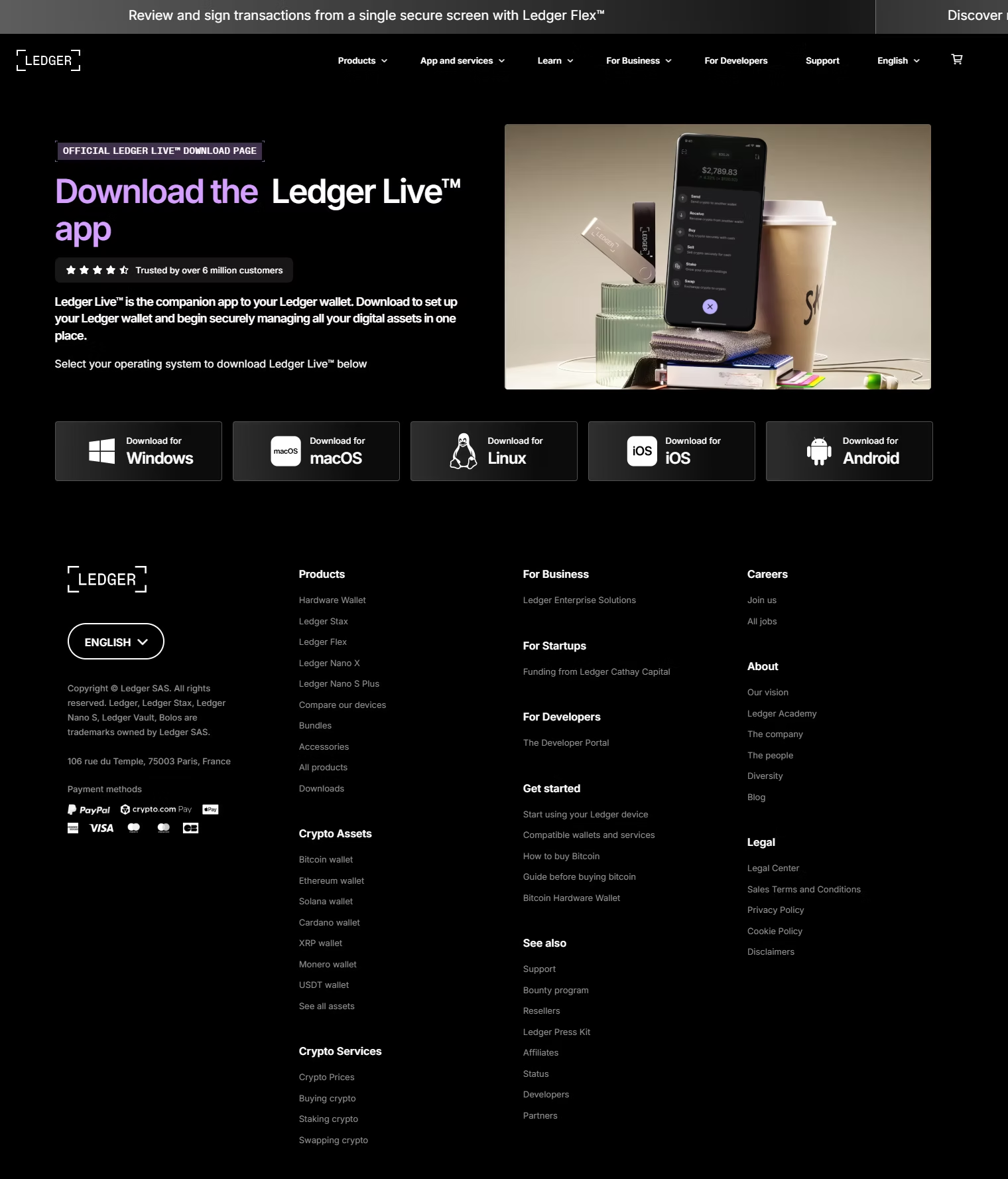
Ledger.com/start: A Complete Guide to Ledger Wallet Setup and Security
Getting started with a hardware wallet requires more than simply connecting a device to a computer. New users need to understand how wallet initialization, security credentials, recovery information, compatible software, and transaction approvals work together. Ledger.com/start can serve as a useful starting point for people beginning their Ledger hardware wallet setup.
A hardware wallet provides a dedicated environment for handling the credentials used to authorize cryptocurrency transactions. While the device adds an important layer of protection, safe cryptocurrency management also depends on the user's decisions throughout the setup and everyday usage process.
This guide explains the major parts of the Ledger wallet setup experience, including preparing the device, completing initialization, protecting recovery information, connecting compatible software, verifying transactions, recognizing phishing attempts, and developing safer wallet habits.
What Is Ledger.com/start?
Ledger.com/start is intended to help users begin the onboarding process for a Ledger hardware wallet. The setup journey can introduce users to device configuration, security settings, compatible wallet software, and the basic steps required to prepare a device for cryptocurrency management.
The exact instructions may differ depending on the Ledger hardware wallet model, software version, operating system, and supported features. Users should therefore pay attention to the instructions presented for their specific device rather than assuming that every Ledger model follows exactly the same sequence.
The initial setup is important because it establishes the security foundation for future wallet activity. Taking time to understand each step can help reduce mistakes and make later account management easier.
Understanding Hardware Wallet Security
A hardware wallet is a physical device designed to provide an additional layer of protection for the credentials associated with cryptocurrency accounts.
Instead of depending entirely on a general-purpose computer or smartphone for sensitive signing operations, supported wallet actions can involve confirmation through the dedicated hardware device.
This separation can make hardware wallets useful for people who want greater control over their cryptocurrency security.
However, a hardware wallet should not be considered a complete solution by itself. Phishing websites, malicious software, fraudulent support messages, compromised recovery information, and incorrect transaction approvals can still create risks.
Preparing for Ledger Wallet Setup
Before beginning the setup process, place the Ledger device in a private and controlled environment.
Use a trusted computer or compatible device and make sure you can carefully read the instructions displayed during the onboarding process.
Only use software and setup information obtained from legitimate Ledger resources. Avoid downloading wallet applications from random websites, unsolicited advertisements, social media posts, or links sent by unknown individuals.
It is also useful to set aside enough time for the setup. Avoid starting the process when you are distracted or likely to rush through important security instructions.
Starting the Device Configuration
Once the appropriate setup process has been located, connect the Ledger hardware wallet and follow the instructions applicable to the particular device.
Connection methods, menus, and available options can change between device generations and software releases. For this reason, a tutorial created for another model may not accurately represent the screens shown on your device.
Pay particular attention to information displayed directly on the hardware wallet.
If the device asks you to approve an operation, read the information carefully rather than confirming automatically.
Completing Wallet Initialization
The initialization stage prepares the hardware wallet for future use.
Depending on the device and configuration path, this stage can involve creating access protection, establishing wallet settings, and generating recovery information.
Do not treat the initialization process as something that should be completed as quickly as possible.
Each security-related step has a purpose. Carefully following the instructions can help prevent errors that may become difficult to correct later.
Protecting the Recovery Phrase
One of the most important responsibilities during hardware wallet setup is protecting the recovery information generated by the device.
A recovery phrase can provide a method for restoring access to the associated wallet when the original hardware device is lost, damaged, or unavailable.
Because of its importance, the recovery phrase should be treated as highly confidential information.
Record it using the method recommended during the setup process and keep the backup in a secure physical location.
Avoid taking photographs of the phrase or storing it in email, cloud storage, messaging applications, notes applications, or other internet-connected locations.
Never share the recovery phrase with another person.
Understanding Why Recovery Information Matters
The hardware wallet and recovery phrase perform different roles within a wallet security setup.
The physical device can be used to authorize supported wallet operations, while the recovery phrase can potentially be used to restore access to the wallet through a compatible recovery process.
This means that protecting the recovery phrase is extremely important.
Anyone who obtains the complete recovery information may potentially be able to restore the wallet and control associated assets.
A legitimate support representative should not need your complete recovery phrase simply to diagnose an ordinary setup or software problem.
Creating Strong Device Access Protection
During initialization, the device may require users to establish a PIN or another form of access protection depending on the model.
Choose an access code that is not obvious and never share it with another person.
Avoid using simple combinations that could be guessed from publicly available information.
The physical device should also be stored in a location where unauthorized people cannot easily access it.
Good physical security complements the technical protection provided by the hardware wallet.
Connecting Compatible Ledger Software
After the hardware wallet has been initialized, compatible Ledger software can provide an interface for managing supported cryptocurrency accounts and assets.
A wallet-management application can make it easier to view account information, organize supported assets, install required blockchain applications when applicable, and review transaction activity.
It is important to understand the difference between the software interface and the hardware wallet.
The software provides a convenient management environment, while the physical device remains an important part of the security process for supported transaction approvals.
Managing Cryptocurrency Accounts
Users who manage multiple assets may create or use separate accounts according to their needs.
Organizing accounts carefully can make portfolio management easier and reduce the possibility of selecting the wrong destination or account.
Before receiving or sending cryptocurrency, confirm the selected asset and account.
If several accounts have similar names or purposes, consider using clear labels that make their intended use easy to recognize.
Receiving Crypto With Greater Care
Receiving cryptocurrency may appear simple, but address verification remains important.
Before providing an address to another person or service, confirm that it belongs to the intended account and corresponds to the correct asset and network.
Different blockchain networks can have addresses or formats that appear similar. Sending an asset through an incompatible network can create unnecessary complications.
For unfamiliar situations, users may consider testing the process with a small amount before transferring a larger balance.
Reviewing Transactions Before Approval
Sending cryptocurrency requires careful attention because confirmed blockchain transactions may not be reversible.
Before approving a transaction, review the destination, asset, amount, network information, and applicable fee.
Do not depend exclusively on the information shown by a computer or browser.
When transaction details are displayed on the physical hardware wallet, compare those details with the transaction you intended to make.
If an address, amount, or other important detail looks different, stop the process and investigate before confirming it.
Recognizing Fake Ledger Websites
Phishing is a significant security concern in the cryptocurrency industry.
Fraudulent websites can copy the appearance of legitimate wallet services and may attempt to convince users to disclose passwords, PINs, recovery phrases, or other sensitive information.
Be especially cautious about messages claiming that an account has been suspended, a wallet needs urgent verification, or funds will be lost unless immediate action is taken.
Scammers often create a sense of urgency so that users act without checking the source.
Instead of clicking an unexpected wallet-related link, independently navigate to a trusted Ledger resource.
Most importantly, never enter a recovery phrase into a website simply because the page claims that it is necessary for synchronization, verification, validation, or account recovery.
Keeping the Wallet Environment Updated
Keeping compatible wallet software and the device environment maintained can help with compatibility and security.
When an update is available, verify that the software or firmware process originates from a legitimate source before proceeding.
Avoid installing applications, extensions, or updates supplied through unfamiliar download pages.
Before performing significant wallet maintenance, make sure your recovery backup has been securely recorded and remains accessible to you.
Common Setup Errors to Avoid
New hardware-wallet users can make several avoidable mistakes.
One mistake is incorrectly recording the recovery phrase or failing to verify that the backup has been preserved properly.
Another is saving recovery information digitally because it appears more convenient.
Downloading counterfeit wallet software is another serious risk. A fraudulent application can be designed to look convincing while attempting to collect confidential information.
Users should also be careful when accepting remote assistance from strangers.
Never allow someone claiming to be support personnel to obtain your recovery phrase or other credentials.
Verifying Details on the Physical Device
The hardware wallet can provide an additional opportunity to verify important transaction information.
Before approving an operation, review the details presented by the physical device and compare them with your intended transaction.
Do not approve a transaction simply because the computer interface appears correct.
If something does not match, stop and investigate.
A short verification step can help identify errors caused by incorrect addresses, unexpected transaction information, or potentially malicious software.
Developing Safer Ledger Security Habits
Security does not end after completing the initial Ledger.com/start process.
Continue protecting the physical device, keep recovery information stored securely, use trusted software, and remain cautious when interacting with cryptocurrency-related websites and messages.
Avoid making important wallet decisions while under pressure.
If a message tells you that you must act immediately, take a moment to verify where it came from before doing anything.
Consistent security habits can be just as important as the hardware itself.
What to Do If a Problem Appears
If the device, software, website, or transaction displays something unexpected, stop before approving the operation.
Do not attempt to fix an unfamiliar problem by entering your recovery phrase into a website.
Instead, close suspicious pages and consult trusted Ledger documentation relevant to the device and issue.
Be careful with unsolicited assistance from social media accounts, messaging groups, or strangers who claim to provide wallet support.
A professional-looking profile does not automatically prove that a person is an authorized support representative.
Final Thoughts
Ledger.com/start can provide a useful starting point for users beginning the process of setting up and learning to use a Ledger hardware wallet.
A secure setup involves more than connecting the device. Users should understand initialization, device access protection, recovery information, compatible wallet software, account organization, transaction verification, and phishing prevention.
The recovery phrase deserves particular attention because it can play a critical role in restoring access to a wallet. It should remain private, securely stored, and completely unavailable to websites or strangers.
By following trusted setup instructions, verifying transactions on the hardware device, maintaining the wallet environment, and developing cautious security habits, users can create a more responsible approach to managing supported cryptocurrency assets with their Ledger hardware wallet.
Updated about 5 hours ago