
Ledger.com/Start® | Getting started — Ledger®
Start your Ledger wallet journey with Ledger.com/start and discover guidance for device configuration, Ledger Live connectivity, account management, and secure digital asset handling.
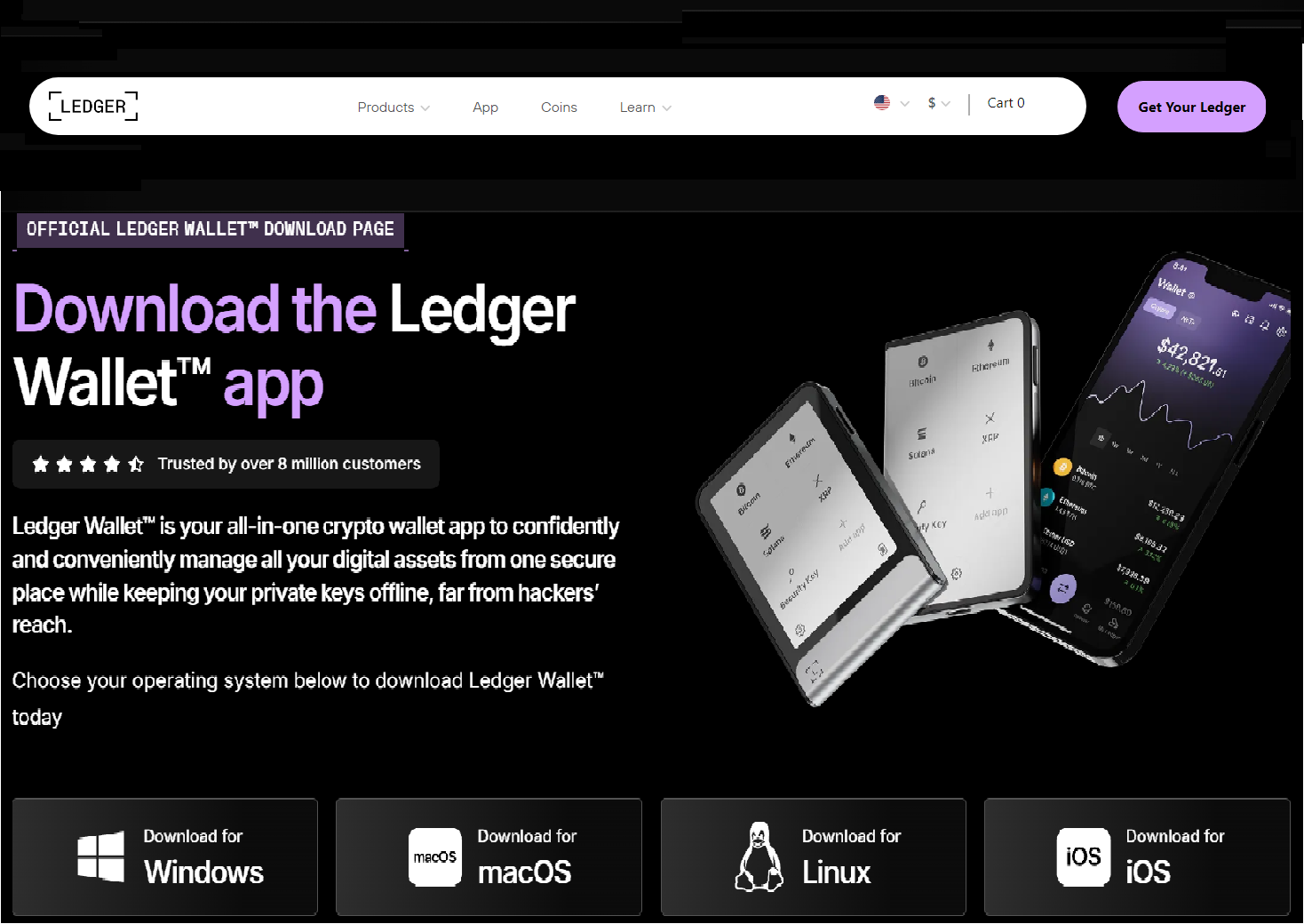
Ledger.com/start: A Step-by-Step Guide to Ledger Wallet Setup
Setting up a cryptocurrency hardware wallet for the first time can involve several unfamiliar steps. Users need to understand how the physical device works, how wallet software connects with it, how recovery information should be handled, and how transactions are approved. Ledger.com/start can be used as a starting point for learning about the Ledger wallet setup process.
A hardware wallet is designed to provide a dedicated environment for protecting the credentials used to authorize cryptocurrency activity. The device can add an important security layer, but safe wallet management also depends on careful setup practices and responsible handling of sensitive information.
This guide covers the essential parts of getting started with a Ledger wallet, from preparing the device and completing initialization to protecting recovery information, connecting compatible software, checking transactions, and avoiding common security mistakes.
Understanding Ledger.com/start
Ledger.com/start is connected with the onboarding process for Ledger hardware wallets. It is intended to help users understand how to begin configuring a device and prepare it for use with compatible wallet-management software.
The exact setup experience may vary according to the Ledger device model and the software environment being used. Menus, available features, and instructions can change over time, so users should follow the current instructions provided for their particular device.
The objective of the initial setup is to establish the wallet's security configuration and prepare it for supported cryptocurrency management.
Why Hardware Wallet Setup Matters
A hardware wallet is different from a conventional software-only wallet because important security operations can involve a dedicated physical device.
The hardware device provides a separate environment for approving supported operations. This can reduce reliance on a general-purpose computer or smartphone for sensitive signing activities.
For users managing cryptocurrency over an extended period, this additional layer can be valuable.
At the same time, hardware-wallet ownership does not remove the need for security awareness. A user can still encounter phishing attempts, fraudulent applications, malicious websites, or unsafe requests for recovery information.
Preparing for the Initial Setup
Before starting the Ledger wallet setup process, choose a private and distraction-free environment.
Keep the hardware wallet available and use a trusted computer or compatible device. Make sure you have enough time to read the instructions carefully instead of rushing through the onboarding process.
Only obtain wallet software and setup information through legitimate Ledger channels.
Avoid applications or instructions delivered through unknown websites, unsolicited emails, social media messages, or suspicious advertisements.
Protecting your privacy during setup is also important. Recovery information should never be visible to people nearby.
Connecting the Hardware Wallet
After accessing the appropriate setup instructions, connect the Ledger device according to the requirements of your particular model.
The connection method may differ between devices and operating systems. Therefore, do not assume that instructions created for another Ledger model will match every screen you see.
During setup, pay close attention to information shown directly on the hardware wallet.
If the device requests confirmation, stop and read the message before approving the action.
Initializing the Ledger Device
Initialization establishes the basic configuration of the hardware wallet.
The process can include setting device access protection and creating the recovery information associated with the wallet.
These steps deserve careful attention because mistakes made during initial configuration can affect later wallet management.
Do not let another person perform the setup for you simply because the process appears complicated.
The person controlling the setup should understand exactly what information is being generated and where it is being stored.
Recording the Recovery Information
Recovery information is a critical component of hardware-wallet security.
During initialization, a recovery phrase may be generated that can help restore access to the wallet if the physical device is lost, damaged, or becomes unavailable.
This phrase should be treated as confidential information.
Write it down carefully using the recommended procedure and store the backup somewhere secure and private.
Do not save the recovery phrase in a phone, computer file, cloud account, email inbox, screenshot, or messaging application.
The goal is to maintain a secure backup without exposing the information to internet-connected systems.
Keeping the Recovery Phrase Private
The recovery phrase should never be considered an ordinary password.
Its importance comes from its potential role in restoring access to the wallet and its associated accounts.
Someone who obtains the necessary recovery information may potentially be able to restore the wallet elsewhere.
For this reason, never send the recovery phrase to customer support, friends, online communities, or people offering technical assistance.
If a website asks for the complete recovery phrase as part of a login, synchronization, verification, or security process, treat the request as a major warning sign.
Securing the Device With a PIN
Depending on the Ledger device, the setup process may require a PIN to protect access to the hardware wallet.
Select a PIN that is difficult for others to guess.
Do not share it with another person, and avoid obvious combinations that could easily be associated with you.
The PIN and recovery information should also be kept separate. Storing both together can increase the consequences if the physical backup is discovered.
When the device is not being used, keep it in a secure location.
Using Compatible Wallet Software
Once the hardware wallet has been initialized, compatible Ledger software can provide an interface for managing supported cryptocurrency accounts.
The software can help users view account information, monitor supported assets, organize wallet activity, and perform other management tasks.
However, it is important to understand that the software interface and physical hardware serve different purposes.
The application provides the management interface, while supported security-sensitive actions can require confirmation through the hardware device.
Adding and Organizing Accounts
A user may manage several cryptocurrency accounts depending on their needs and the assets supported by the wallet environment.
Keeping accounts organized can make it easier to identify the correct destination when receiving or sending cryptocurrency.
Before performing an important operation, check the selected account and asset.
If multiple accounts are being used for different purposes, meaningful labels can help prevent accidental selection of the wrong account.
Receiving Cryptocurrency
Receiving cryptocurrency requires careful address verification.
Before sharing an address, confirm that it belongs to the correct account and that the selected cryptocurrency and network are appropriate.
An address copied from the wrong account can lead to an unintended transfer.
For a new recipient or unfamiliar transfer process, some users may prefer to perform a small test transaction before moving a larger amount.
This additional check can help confirm that the destination information is correct.
Reviewing a Transaction Before Sending
Cryptocurrency transactions should be reviewed carefully before approval.
Check the recipient address, asset, amount, network, and transaction fee where applicable.
Do not assume that the information displayed by a computer is automatically correct.
When transaction details are shown on the hardware device, compare them with your intended transaction.
If the physical device displays information that does not match what you expected, do not approve the transaction until the difference has been understood.
Protecting Against Phishing
Phishing remains a major concern for cryptocurrency users.
Attackers can create websites, emails, advertisements, and messages designed to imitate legitimate wallet services.
A fraudulent page may claim that your wallet needs verification or that your account is experiencing a security problem.
Be especially careful with messages that create urgency.
Statements such as immediate verification requirements, account suspension warnings, or threats of losing access can be designed to make users act without checking the source.
Instead of following an unexpected link, independently access a trusted Ledger resource.
Never disclose your recovery phrase to a website or person claiming that it is required to unlock, validate, synchronize, or secure your wallet.
Maintaining Software and Device Security
Wallet software and device-related applications may receive updates that improve compatibility, functionality, or security.
When an update is available, confirm that the update process is coming from a trusted source.
Do not install wallet software from unofficial download pages merely because the website appears professional.
Before performing significant maintenance, make sure your recovery backup has been recorded correctly and remains safely stored.
Common Ledger Setup Mistakes
Several mistakes can make a new wallet setup less secure.
One common error is incorrectly recording the recovery phrase.
Another is storing the phrase digitally because digital storage appears easier to access.
Using unofficial wallet applications can also expose users to fraudulent software.
Users should additionally be cautious when allowing strangers to provide remote setup assistance.
A person who claims to be a wallet expert or support representative should not need your recovery phrase to help with ordinary setup questions.
Avoiding these mistakes can significantly improve the overall security of the wallet environment.
Checking Information on the Hardware Device
The physical device provides an important opportunity to verify sensitive operations.
Before approving a transaction, carefully read the information shown on the Ledger device.
Compare the recipient, amount, and other available transaction details against what you intended to authorize.
If the information differs, stop.
Do not approve a transaction simply because the computer application appears normal.
Taking a few moments to verify the information can help identify mistakes before an irreversible blockchain transaction is submitted.
Building Long-Term Security Habits
Completing Ledger.com/start is only the beginning of responsible hardware-wallet management.
Continue protecting the physical device, maintain a secure recovery backup, use trusted wallet software, and remain alert to suspicious messages.
Avoid discussing recovery information publicly or showing it to other people.
It is also useful to develop the habit of slowing down when handling large transactions or unfamiliar wallet requests.
Security often depends on consistent decisions rather than a single setup step.
When a Wallet Problem Occurs
Unexpected behavior should always be treated carefully.
If the hardware device, wallet software, website, or transaction displays information that does not make sense, stop before confirming anything.
Do not enter your recovery phrase into an unfamiliar website to solve the issue.
Close suspicious pages and consult trusted documentation for the relevant device or software problem.
Be particularly cautious about people who contact you unexpectedly through social media and claim that they can recover or unlock your wallet.
Never allow urgency or pressure to replace careful verification.
Final Thoughts
Ledger.com/start can be a useful starting point for users learning how to configure and manage a Ledger hardware wallet.
A successful setup involves more than connecting the device. Users should understand initialization, PIN protection, recovery backups, compatible wallet software, account organization, transaction verification, and phishing prevention.
The recovery phrase deserves especially strong protection because it can be associated with wallet recovery. It should remain private and should never be entered into an unfamiliar website or disclosed to another person.
By following appropriate setup instructions, using trusted wallet software, checking transaction details on the hardware device, and maintaining strong security habits, users can build a safer and more organized approach to managing supported cryptocurrency assets.
Updated about 5 hours ago